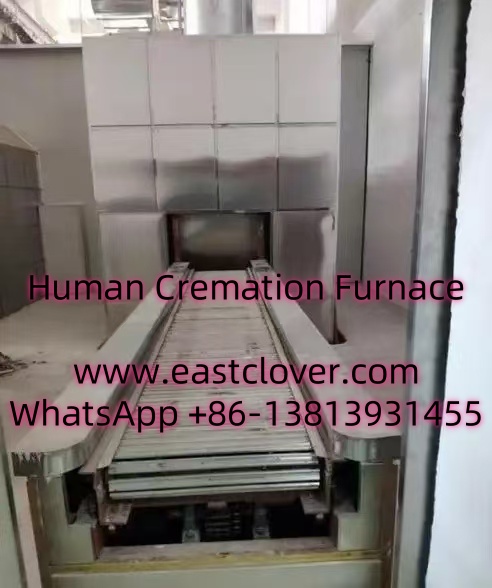
In today’s world, cremation has become a popular choice for funeral options. With the increasing demand for environmentally friendly and cost-effective methods of handling the dead, advanced human cremation furnaces have been designed to cater to the needs of city mortuaries and municipal services. These furnaces offer improved performance, reduced emissions, and enhanced safety features, making them an ideal choice for these facilities.
Advantages of Advanced Cremation Furnaces
Advanced human cremation furnaces offer several advantages over traditional cremation methods. For instance, they provide higher energy efficiency, resulting in reduced energy consumption and lower operating costs. These furnaces also offer better emission control, minimizing the impact on the environment and ensuring a healthier working environment for mortuary staff.
Another significant benefit is the improved safety features that these furnaces offer. Advanced control systems, automatic fuel adjustment, and sophisticated smoke management systems ensure that the cremation process is carried out in a safe and controlled manner, minimizing the risk of accidents and reducing the need for manual intervention.
In addition, advanced human cremation furnaces are designed to handle larger numbers of cremations, making them an ideal choice for city mortuaries and municipal services that need to handle a high volume of funerals.
Design and Construction of Advanced Cremation Furnaces
Advanced human cremation furnaces are designed and constructed with modern technology and innovative materials to ensure high-performance operation, reliability, and durability. The use of advanced materials, such as refractory ceramic, stainless steel, and heat-resistant alloys, enables the furnaces to withstand extremely high temperatures and pressures, minimizing the risk of deterioration and ensuring a longer lifespan.
The furnaces are designed with a unique combustion system that provides optimal combustion conditions, resulting in maximum energy efficiency and reduced emissions. The improved smoke management system enables effective removal of smoke and combustion products from the furnace, reducing the need for ventilation and minimizing the impact on the environment.
Features and Benefits
Some of the key features and benefits of advanced human cremation furnaces for city mortuaries and municipal services include:
- High-energy efficiency, resulting in reduced energy consumption and lower operating costs
- Improved emission control, minimizing the impact on the environment and ensuring a healthier working environment for mortuary staff
- Advanced control systems, automatic fuel adjustment, and sophisticated smoke management systems for improved safety and performance
- Increased capacity, enabling the cremation of larger numbers of bodies
- Reduced maintenance requirements, resulting in lower costs and increased uptime
Conclusion
In conclusion, advanced human cremation furnaces offer a range of benefits and features that make them an ideal choice for city mortuaries and municipal services. With their high-energy efficiency, improved emission control, advanced safety features, and increased capacity, these furnaces provide an efficient and cost-effective solution for handling the dead.
The use of advanced materials and innovative design features ensures a longer lifespan and reduced maintenance requirements, resulting in lower costs and increased uptime. With their many benefits, advanced human cremation furnaces are an excellent choice for city mortuaries and municipal services looking for a reliable and efficient way to handle the dead.
FAQs
Q: What are the most significant benefits of advanced human cremation furnaces?
A: The most significant benefits of advanced human cremation furnaces include improved energy efficiency, reduced emissions, advanced safety features, and increased capacity.
Q: How do advanced human cremation furnaces compare to traditional cremation methods?
A: Advanced human cremation furnaces offer significant improvements over traditional cremation methods, including higher energy efficiency, reduced emissions, and advanced safety features.
Q: What type of materials are used in the construction of advanced human cremation furnaces?
A: Advanced human cremation furnaces are constructed using advanced materials such as refractory ceramic, stainless steel, and heat-resistant alloys.
Q: What are the benefits of reduced emissions for city mortuaries and municipal services?
A: Reduced emissions result in a healthier working environment for mortuary staff, minimize the impact on the environment, and reduce the risk of accidents.
Comments are closed